Challenge
The client had footage, but not a story. Interviews were long, supporting visuals were scattered, and the final message needed to feel sharper for stakeholders.
Illustrative concept using stock imagery. This page explains an example approach; it is not a verified customer case study or performance guarantee.
A post-production sprint that converted raw interviews, B-roll, and brand footage into a polished corporate story with reusable short-form cuts.
The client had footage, but not a story. Interviews were long, supporting visuals were scattered, and the final message needed to feel sharper for stakeholders.
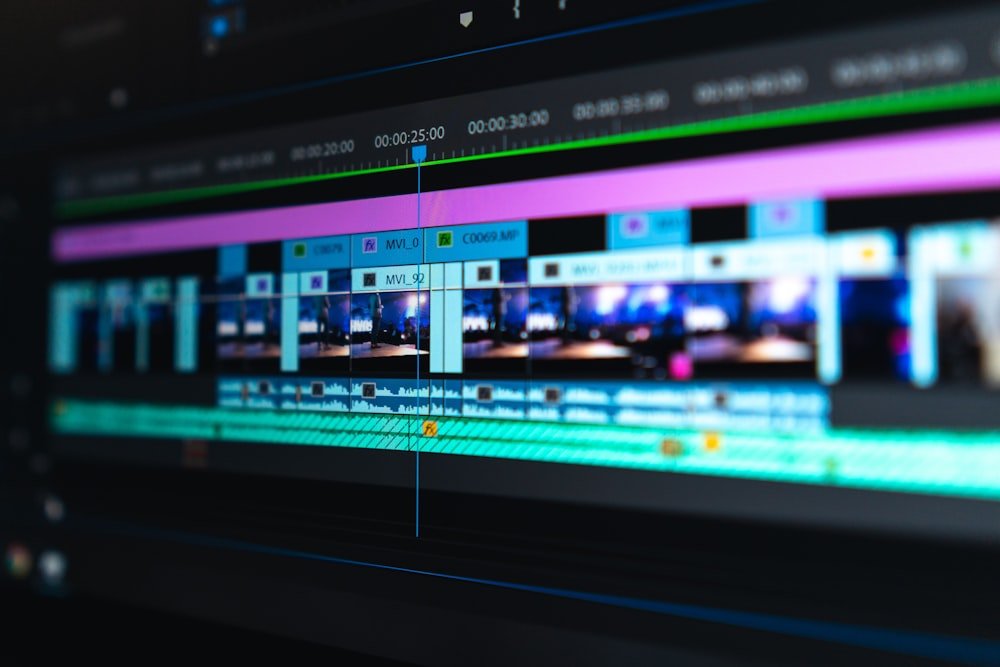
We created a narrative spine, selected proof moments, cleaned pacing, graded footage, designed motion text, and exported channel-specific cuts.
The final film became a more confident brand story, while cutdowns supported social, sales, onboarding, and presentation use cases.
The imagery here supports the actual workflow: planning, production, analysis, review, and final delivery.
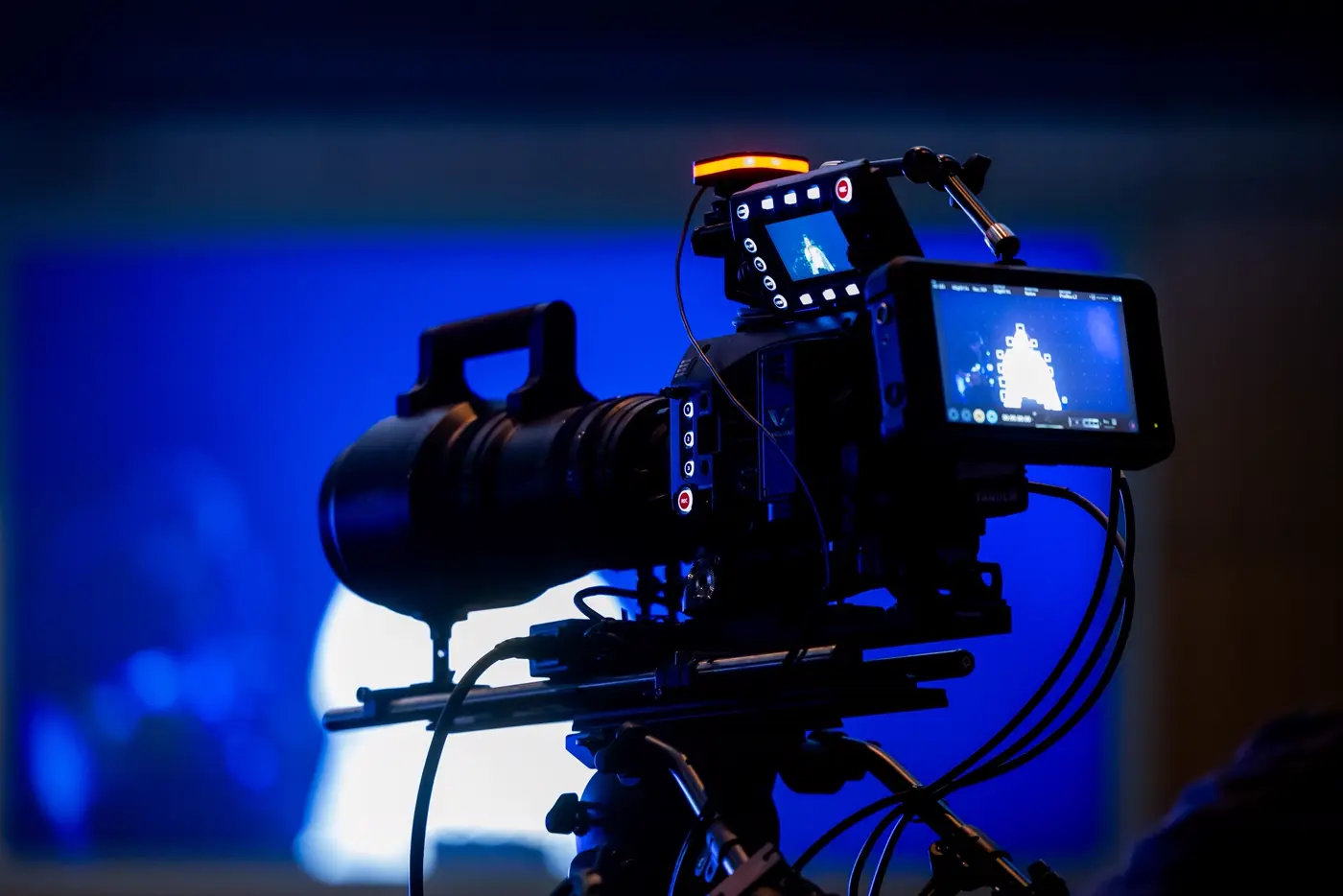
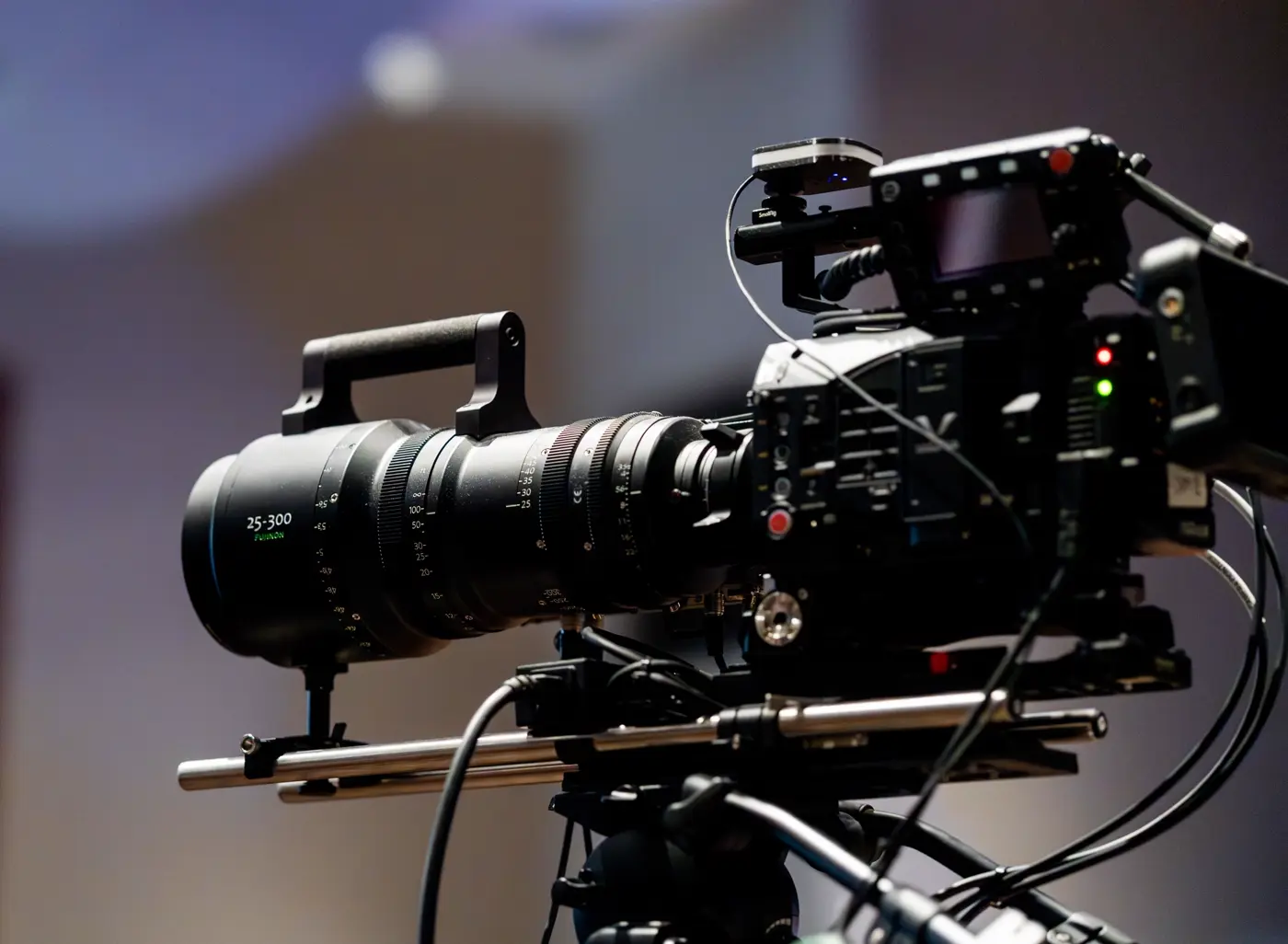
The point of the case page is to show the operating system behind the visuals, so a visitor can understand what Agile Innotech Media actually does.
We sorted interview value, B-roll support, gaps, and strongest emotional proof points.
The rough cut moved from information dump to structured narrative with a clear arc.
Color, sound, motion labels, pace, and transitions were refined for a premium finish.
The master became website, social, presentation, and WhatsApp-friendly cutdowns.
No. Illustrative concepts are labelled as such. They demonstrate possible approaches and should not be read as verified client results.
Yes. Use the project brief to explain your audience, objectives, channels, and constraints so the team can discuss a relevant scope.
Ask the team for examples that can be shared with permission. Confidentiality, usage rights, and client approval may limit what can be shown.