Challenge
The account was spending across too many weak creatives, attribution was unclear, and high-intent visitors were not being segmented properly for retargeting.
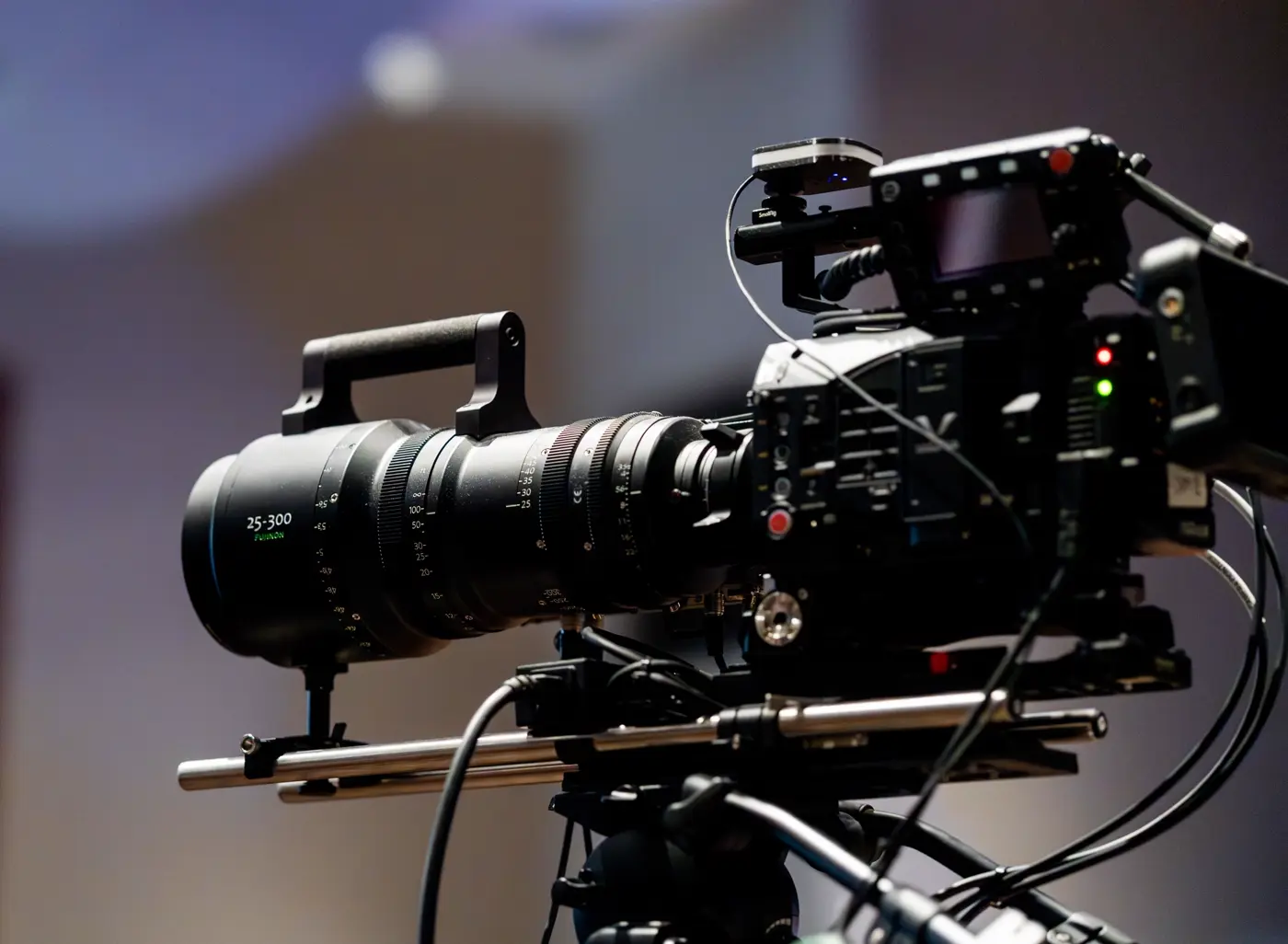
Illustrative concept using stock imagery. This page explains an example approach; it is not a verified customer case study or performance guarantee.
A paid-growth operating system for an e-commerce brand that needed better tracking, sharper offer tests, and stronger creative decisions before increasing spend.

The account was spending across too many weak creatives, attribution was unclear, and high-intent visitors were not being segmented properly for retargeting.
We rebuilt the campaign architecture around funnel stages, wrote creative hypotheses for each ad set, repaired event tracking, and used weekly readouts to scale only proven combinations.
The brand gained cleaner data, stronger ad discipline, and an ad funnel that could scale budget without losing control of conversion quality.
The imagery here supports the actual workflow: planning, production, analysis, review, and final delivery.

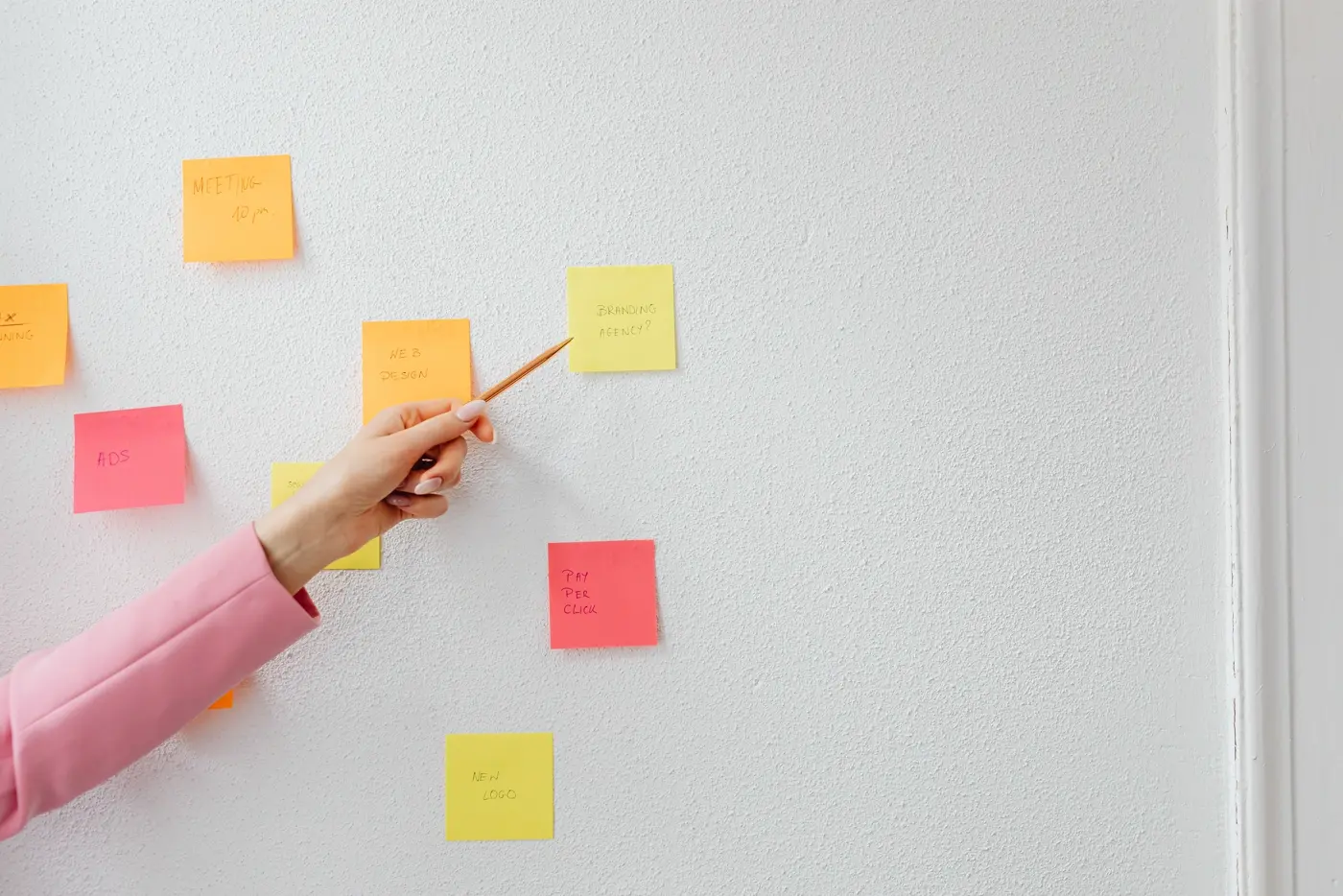
The point of the case page is to show the operating system behind the visuals, so a visitor can understand what Agile Innotech Media actually does.
Pixel, events, UTMs, and conversion priorities were cleaned before budget was scaled.
We matched product offers with audience intent, placement style, and landing-page promise.
Every creative variation had one clear hypothesis, hook, and success metric.
Winning assets were scaled with guardrails for fatigue, CPA drift, and retargeting overlap.
No. Illustrative concepts are labelled as such. They demonstrate possible approaches and should not be read as verified client results.
Yes. Use the project brief to explain your audience, objectives, channels, and constraints so the team can discuss a relevant scope.
Ask the team for examples that can be shared with permission. Confidentiality, usage rights, and client approval may limit what can be shown.